 Health
Jul 01, 2026

A child learns best on a full, balanced plate. Small, affordable swaps quietly rebuild the concentration a classroom depends on.
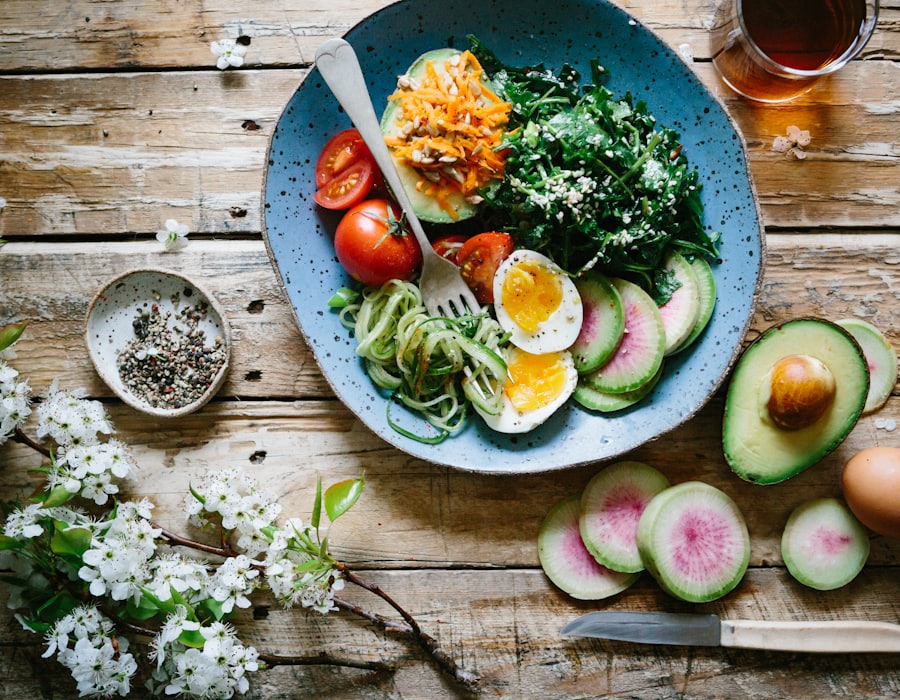
Ask a teacher in one of our model schools what a hungry child looks like, and they will not describe a stomach. They will describe eyes that drift, a page that goes unread, an afternoon lost. Nutrition and learning are the same conversation held in two different rooms.
Most of the change we encourage costs very little. A handful of seasonal greens folded into a familiar dish. An egg or a banana where the budget allows. Less of the packaged sugar that fills a child up without feeding them. These are not imported ideas — they are affordable swaps that fit the kitchens families already cook in.
Attention is not only taught in a classroom. It is grown, one balanced plate at a time.
We pair that guidance with the practical: kitchen gardens at schools, conversations with mothers, and the plain arithmetic of what a growing body actually needs. When food improves, attendance and concentration tend to follow, quietly and without ceremony.
None of this asks families to spend more than they have. It asks them to spend a little differently — and to see the midday meal not as charity, but as the first lesson of the day.
Health Environment
 Education
Donate, volunteer or share this dispatch — every contribution reaches straight to the field.