 Nutrition
Jun 24, 2026

A blood test is the quietest kind of medicine — it speaks before the illness does. One screening can flag anaemia, sugar or a cervical-cancer risk long before a family would ever reach a hospital.
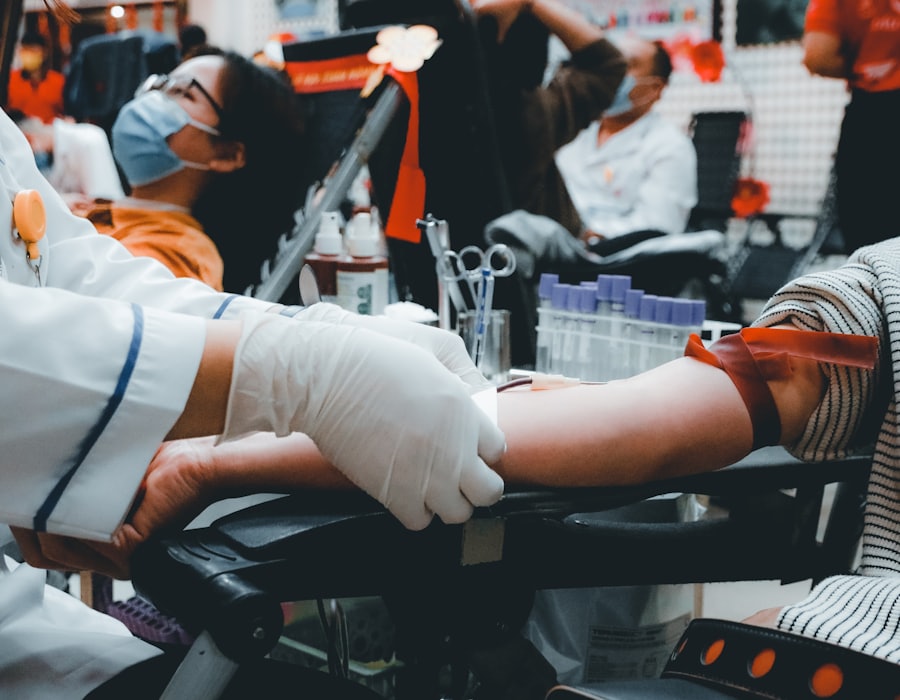
In a village an hour past the last bus stop, a health worker sets up a folding table under a neem tree. There is a pressure cuff, a glucometer, a rack of sealed vials and a register with worn corners. By mid-morning the queue is long and mostly women, many of whom have never had their blood tested in their lives.
This is the unglamorous front line of our Health on Wheels programme. Screening is not dramatic work — there is no ambulance, no operating light. But a single drop of blood can reveal the anaemia that has been quietly draining a mother's strength, the rising sugar that no one had a name for, or the early markers we now watch for as part of our cervical-cancer initiative aimed at 2030.
A test does not cure anyone. But it buys the one thing rural healthcare almost never has — time.
The value of a check-up is entirely in its timing. Caught early, most of what we see is manageable with diet, iron, follow-up and reassurance. Caught late, the same conditions become emergencies that a family cannot afford and a village clinic cannot treat. The test is cheap; the delay is not.
So we keep the tables folding, the vans moving and the registers filling — village after village, camp after camp. Habit is the real medicine here. A family that learns to expect a yearly screening is a family that has quietly moved from crisis care to actual health.
Donate, volunteer or share this dispatch — every contribution reaches straight to the field.