 Health
Jul 01, 2026

In the first hours after a flood, a relief camp is the whole world. A field diary from the tarpaulin lines.
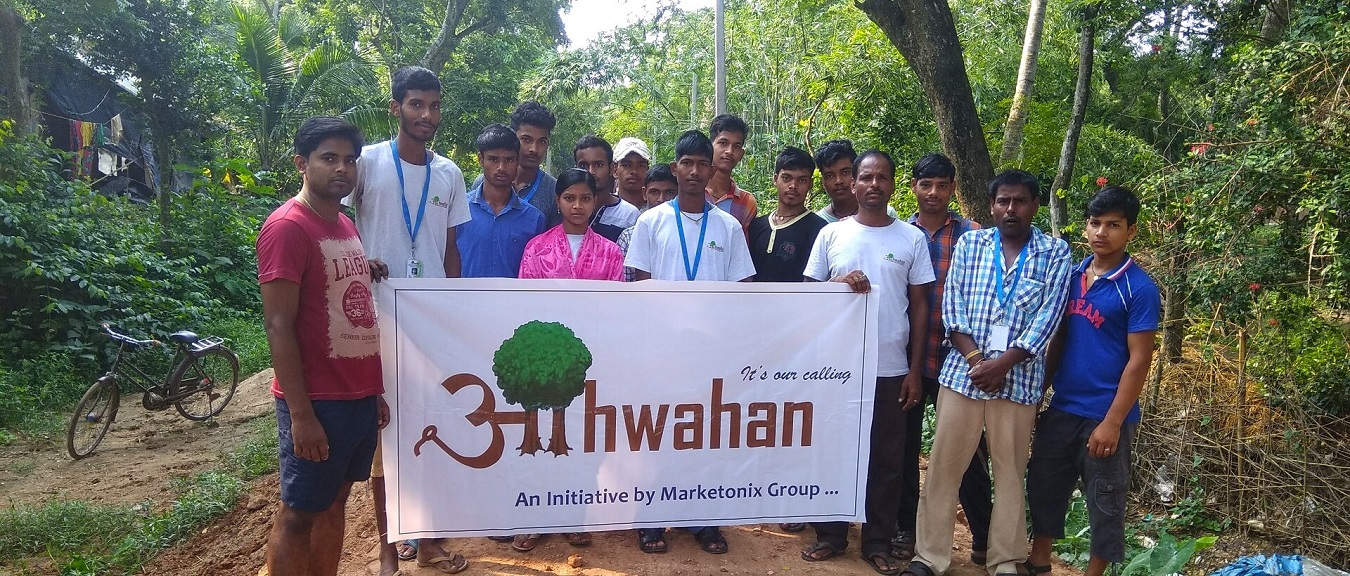
The water is still receding when the first tarpaulins go up. A relief camp assembles itself out of urgency — a registration line here, a kitchen there, a corner set aside for the children so that, for an hour, they can simply be children again.
The instinct in a crisis is to think in tonnes and trucks. But a camp runs on smaller things: a dry blanket, a hot meal served on time, a clean cup of water, a volunteer who can tell a frightened family exactly what happens next. Relief, we have learned across floods and the long months of COVID, is as much about calm as it is about supplies.
In the first hours after a disaster, order is the most precious thing you can hand a family.
The work does not end when the water does. The families here come from the same villages we return to year after year — more than a hundred of them adopted for the long haul — which means relief is only the first chapter of a much longer relationship.
So the notebook fills with logistics and with faces, side by side. The camp will come down in a week. The commitment behind it does not.
Donate, volunteer or share this dispatch — every contribution reaches straight to the field.