 Health
Jul 01, 2026

From Digital Sakhi keyboards to Pink Room conversations, a quiet economy of confidence is taking shape.
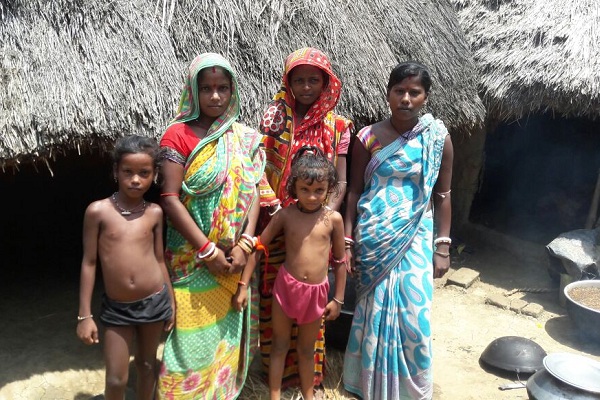
The change is easy to miss because it is quiet. A woman who once handed her phone to a shopkeeper to make a payment now does it herself. Another keeps the accounts for her self-help group in a notebook she is proud of. Small acts — but each one is a door that used to be closed.
Through Digital Sakhi, women learn the digital literacy that everyday life now assumes: banking on a phone, spotting a scam, filling a form, claiming a service. The skill is practical, but the effect is larger. Money that can be managed is money that can be kept, grown and defended.
Confidence, it turns out, is contagious — and it spreads fastest woman to woman.
The Pink Rooms carry the same idea into health. A private, unashamed space to talk about menstruation turns a subject of silence into ordinary knowledge — and knowledge, once shared in one room, rarely stays there. It travels home, to daughters and neighbours.
Put together, these are not welfare handouts. They are the raw materials of independence — literacy, health, a little capital and a lot of shared courage — handed to women who were only ever waiting for the chance to build.
Donate, volunteer or share this dispatch — every contribution reaches straight to the field.